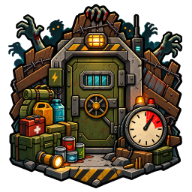
Survival Log Wiki Guide: Tips, Community Insights, and Key Strategies
Explore the Survival Log wiki essentials: gameplay tips, community insights, system requirements, and strategies for zombie-apocalypse survival.
Why Survival Log Is Taking the Strategy Community by Storm
The zombie-apocalypse genre is crowded, but Survival Log is carving out its own niche with a unique blend of hoarding, base-building, and roguelite mechanics. Developed by Midnight Workshop and published by Lilith Games, this title launched on Steam on August 12, 2026, and has already accumulated a "Mostly Positive" rating from over 433 user reviews. If you are searching for a Survival Log wiki to understand the game's core loop, you are in the right place. This guide compiles official details, player experience, and community reports to give you a head start.
What makes Survival Log stand out is its two-phase structure: a frantic 10-hour pre-apocalypse preparation window followed by the relentless post-outbreak survival phase. You are not just fighting zombies; you are managing resources, expanding a safe house, and making every decision count. The game emphasizes that failure is not the end—it is experience. Each run teaches you something new, allowing you to adapt and survive the next time.
This article serves as your unofficial Survival Log wiki hub, covering everything from the initial hoarding phase to end-game stronghold management. We will break down the mechanics, offer actionable tips, and synthesize the best community insights to help you optimize your runs. Whether you are a seasoned survival sim veteran or a newcomer drawn in by the post-apocalyptic theme, this guide will help you turn the tide against the undead.
Understanding the Core Gameplay Loop
At its heart, Survival Log fuses two distinct survival phases into a single cohesive experience. The first phase is all about preparation; the second is about endurance and management. Understanding this loop is crucial for any player looking to create a successful Survival Log wiki entry or simply master the game.
Phase 1: The 10-Hour Hoarding Window
The game begins with a simple premise: the apocalypse is coming in just 10 hours. This countdown creates an immediate sense of urgency that drives the entire first phase. Your primary objectives are to scavenge, purchase, and fortify. The city is your oyster, but time is your enemy.
- Scavenging Locations: You can scour supermarkets, hardware stores, and farmers' markets. Each location offers different types of loot, so prioritize based on your immediate needs.
- Resource Prioritization: Every decision carries weight. Do you spend your limited funds on food and water, or do you invest in fortifying your shelter and securing fuel? There is no right answer; it depends on your long-term survival strategy.
- Live Inventory Management: The game features a "Loot Spotter" tool that allows you to see exactly what you have gathered. This is invaluable for identifying critical supply gaps before the clock hits zero.
Phase 2: Post-Apocalyptic Stronghold Management
Once the dead rise in force, the game shifts from active scavenging to defensive management. Your home is now your fortress, and everything you invested in the first phase becomes your lifeline. The gameplay becomes a test of resource management, base layout, and crisis response.
- Base Building: You can scavenge or purchase furniture, appliances, and construction materials to design your safe house layout from scratch. The game allows for floor-by-floor expansion, including living quarters, storage rooms, power generation, and even farming areas.
- Self-Sufficiency: You must grow your own crops and cook meals to maintain morale. Power is another critical resource, managed through diesel, manual generators, or solar panels. Every watt counts.
- Disaster Management: The game throws various disasters at you, including rain, freezing cold, and blackouts. These events push your preparation to the limit and require quick thinking to mitigate.
Key Strategies for Optimizing Your Run
Success in Survival Log is not about luck; it is about preparation and adaptability. Based on official game descriptions and player experience, here are some key strategies to keep in mind for your next run.
Pre-Apocalypse Checklist
The first 10 hours are the most critical. Here is a checklist to help you maximize your preparation time.
| Priority | Action | Why It Matters |
|---|---|---|
| 1 | Secure a source of food and water | Sustains your character and morale during the early days of the outbreak. |
| 2 | Reinforce entry points (doors, windows) | Delays zombie intrusion and gives you time to react. |
| 3 | Acquire a power generation method | Keeps lights on and appliances running, which is vital for morale and food storage. |
| 4 | Stockpile medical supplies | Treats injuries and illnesses that will inevitably occur. |
| 5 | Gather construction materials | Allows for immediate repairs and expansions when the apocalypse hits. |
Post-Apocalypse Management Tips
Once the outbreak begins, your focus shifts from gathering to managing. Here are some tips for keeping your stronghold operational.
- Maintain Morale: A survivor with low morale is less efficient. Cook proper meals and ensure living quarters are comfortable to keep spirits high.
- Diversify Power Sources: Don't rely solely on diesel. Invest in solar panels as a backup to ensure you are not left in the dark during a blackout.
- Plan Your Defense: Use traps and fortifications to create chokepoints. This funnels zombies into kill zones and reduces the risk to your character.
Community Insights and Player Experience
The community surrounding Survival Log is still young but highly engaged. Early reports from players highlight several interesting trends and shared experiences that a Survival Log wiki wouldn't be complete without.
The Roguelite Element
One of the most praised features is the roguelite progression system. Player experience indicates that dying is not a failure but a learning tool. Each death grants you experience that can be used to unlock new starting perks or knowledge for subsequent runs. This system encourages experimentation and risk-taking, as even a "failed" run contributes to your long-term success.
Character Backstory and Replayability
The game allows you to choose your past—a worker, a student, or a warehouse clerk. Community reports suggest that this choice significantly impacts the early game, altering starting resources, available dialogue, and even the location of certain loot. This adds a layer of replayability that keeps the community coming back for more.
The "Mostly Positive" Consensus
With 71% of 433 reviews being positive, the community sentiment is largely favorable. Players praise the game's deep inventory management and the satisfying transition from hoarder to fortress-builder. However, some negative reviews point to the challenging difficulty curve and the need for more tutorialization, especially for players new to the survival genre.
Technical Requirements and Performance
Before you dive into the apocalypse, you need to ensure your rig can handle it. Based on the official Steam page, here are the system requirements for Survival Log.
| Component | Minimum Requirement | Recommended Requirement |
|---|---|---|
| OS | Windows 10 (64-bit) | Windows 10/11 (64-bit) |
| Processor | Intel Core i5-8500 / AMD Ryzen 5 2600X | Intel Core i5-11600K / AMD Ryzen 5 5600 |
| Memory | 16 GB RAM | 16 GB RAM |
| Graphics | GeForce GTX 1060 / Radeon RX 6500 XT | GeForce RTX 3060 / Radeon RX 6700 XT (8GB+) |
| DirectX | Version 11 | Version 11 |
| Storage | 10 GB available space | 10 GB available space |
Performance Notes
The developers recommend setting graphics quality to "Low" for 1080p resolutions on minimum specs. For 1440p or higher, a "Medium" or "Low" setting is advised even on recommended hardware. This suggests the game is more CPU-intensive, likely due to the complex inventory and base-building simulations running in the background.
The Game's Unique Identity in the Genre
In a sea of zombie survival games, Survival Log distinguishes itself through its focus on the "hoarding" phase. Unlike games where the apocalypse is the starting point, this title makes the pre-apocalyptic scramble a core part of the experience. This creates a unique tension that is rarely explored in the genre.
Comparison to Other Survival Titles
| Feature | Survival Log | Typical Survival Game |
|---|---|---|
| Starting Phase | 10-hour pre-apocalypse prep | Post-apocalypse starting point |
| Core Loop | Hoard -> Fortify -> Survive | Scavenge -> Craft -> Survive |
| Progression | Roguelite (death = experience) | Linear or Skill-based |
| Focus | Base Management & Inventory | Combat & Exploration |
This table highlights how Survival Log inverts the traditional survival formula. The emphasis on preparation before the disaster strikes offers a fresh take that appeals to strategy and management fans.
Official Links and Resources
For the most up-to-date information, patches, and community discussions, it is always best to check the official sources. The game's primary hub is its official Steam store page for Survival Log. Here you can find the latest developer announcements, patch notes, and user reviews, making it an invaluable resource for any player.
Frequently Asked Questions (FAQ)
What is the best way to prepare for the apocalypse in Survival Log? The best strategy is to balance resource hoarding with base fortification. Focus on securing a steady supply of food and water first, then invest in reinforcing your home's entry points. Use the "Loot Spotter" tool to identify and fill critical gaps in your inventory before the 10-hour timer expires.
How does the roguelite progression system work in Survival Log? When you die, you are "reborn" with the memories of your previous life. This translates to experience points that can be used to unlock new starting advantages, such as better gear or unique skills. This system is a core part of the game, encouraging players to learn from their mistakes.
Is Survival Log a single-player game? Yes, Survival Log is a single-player experience. The game focuses on personal survival and base management, with no multiplayer or co-op modes currently planned. The community interaction happens through forums and the Steam hub, where players share strategies and tips.
Where can I find more information about game mechanics and character builds? The community is actively building resources, and a Survival Log wiki is a great place to start. Additionally, the Steam Community Hub is filled with player guides and discussions that offer deep dives into specific mechanics, character backstories, and optimized build orders.