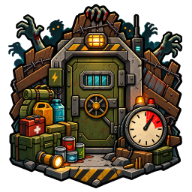
Survival Log Demo Part 1: A Complete Prepper's Guide to the First Run
Our Survival Log demo part 1 guide covers the opening loop, pre-disaster shopping list, base building tips, and what to expect in the first 10 days.
Why Survival Log's First Run Feels Different
Most zombie survival games drop you into the chaos with nothing but a pipe wrench and a prayer. Survival Log, the new 2.5D survival sim from Midnight Workshop and Lilith Games, flips that script completely. Instead of reacting to the apocalypse, you get to prepare for it. The hook is simple but brutal: you live through the outbreak once, die miserably, and then wake up hours before it all begins with the memories of your failure intact.
This Survival Log demo part 1 experience is a masterclass in tension. You aren't fighting zombies in the first half of the demo; you're fighting the clock and your own indecision. With only a limited amount of time and money before society collapses, every trip to the store and every dollar spent matters. It's a survival game where the most dangerous enemy is a poor shopping list.
The game launched on Steam on August 12, 2026, and is currently available with a 15% launch discount. Reviews are "Mostly Positive" with over 430 user reviews, and the community is already sharing tips on how to optimize that critical pre-disaster window. Below, we break down the opening moments of the demo, the core mechanics, and how to make your first run count.
The Opening Loop: Dying to Learn
The demo doesn't ease you in. You start as a "wage slave" character—a regular guy with a side hustle and a deep knowledge of local buildings. You're 13 days into the outbreak, barricaded in your bedroom, with a high fever and an infected wound. The game gives you a simple objective: find food, clear the obstacles, and try to escape.
This opening segment is designed to be a loss. Your character is too weak to fight, and your supplies are gone. As player experience from the demo shows, you'll likely die within minutes of stepping outside, overwhelmed by the horde. It's a grim, effective tutorial that establishes the stakes.
But then comes the twist. You wake up in your bed, gasping for breath, on the same date the apocalypse is set to begin. The game asks a simple question: What are you going to do differently this time? This is where the real strategy begins. You have roughly 10 in-game hours to stockpile supplies, reinforce your home, and plan for the inevitable.
Here's a quick breakdown of the early game phases:
| Phase | Timeframe | Primary Goal |
|---|---|---|
| The Death Loop | 10-15 minutes | Learn the map, understand the threat, die to trigger the time loop. |
| The Panic Shop | First 2-3 hours | Scavenge your apartment for cash, keys, and a backpack. |
| The Supply Run | 3-6 hours | Visit stores, buy non-perishables, secure tools, and fortify materials. |
| The Lockdown | Final hours | Install reinforcements, organize supplies, and wait for the outbreak. |
| The Survival | Days 1-10 | Manage hunger, stamina, morale, and defend your base from hordes. |
The Pre-Disaster Checklist: Where to Go First
Time is your most valuable resource. The game explicitly tells you that traveling to locations consumes countdown time. You can't waste minutes wandering around. The map features several key locations, each with a specific purpose. Based on community reports from the demo, the suggested order is to hit the renovation company first to order facilities, then stock up on food.
However, many players found that going to the Discount Mart first is more efficient, because you can grab the bulk of your food while the shelves are still stocked. The panic buying begins early, and the best items vanish quickly.
| Location | Travel Time | Key Purchases | Priority |
|---|---|---|---|
| Renovation Company | 60 mins | Security doors, reinforced windows, generators, solar panels. | High |
| Discount Mart | 60 mins | Canned goods, rice, instant noodles, vitamins, cookbooks. | Critical |
| Farmers Market | 45 mins | Seeds, starter kits, fertilizer, flower pots for balcony farming. | Medium |
| Hardware Store | 30 mins | Repair kits, diesel, scrap metal, lockpicks, crowbars. | High |
| Convenience Store | 20 mins | Batteries, emergency lights, bottled water, daily rotating deals. | Low |
The Golden Rule: Buy Shelf-Stable Goods
When shopping, ignore the fresh food. You're stocking for a siege, not a picnic. Look for items with long shelf lives. In the Survival Log demo part 1, the game tracks the expiration dates of every item. You want instant noodles that last 90 days, not tofu that expires in 30. The game even highlights this in the dialogue, mentioning that the "feeling of eating till I wanted to vomit" during the final days was miserable—you need food that fills you up and lasts.
Here are the best items to prioritize in the early game:
- Compressed Cookies and Rice Crackers: Cheap, filling, and have an incredibly long shelf life.
- Canned Meat and Seafood: Essential protein that doesn't require refrigeration.
- Vitamin Tablets: Prevent deficiency when your diet is mostly processed carbs.
- Starter Ingredient Kits: These provide seeds for potatoes, corn, and mushrooms, which are essential for long-term sustainability.
- A Cookbook: It costs a hefty $200, but it unlocks the ability to cook proper meals, which boosts morale and satiety significantly.
Base Building: Turning a Home into a Fortress
Once the apocalypse hits, you're locked inside. The game transitions from a hoarding sim to a base management sim. Your apartment is your entire world for the next 10 days. You'll need to repair the front door, reinforce windows, and manage your power supply.
The demo allows you to install furniture and appliances that you purchased or scavenged. This is where the "hoarding" aspect pays off. A reinforced door is the difference between a minor inconvenience and a game-over screen when the zombie horde comes knocking.
| Fortification | Cost (Approx.) | Benefit |
|---|---|---|
| Reinforced Window | $150 | Prevents zombies from breaking in and reduces noise. |
| Security Door | $250 | High durability, resists zombie attacks and looting. |
| Household UPS | $200 | Provides backup power during blackouts. |
| Diesel Generator | $300 | Reliable power source, but requires fuel. |
| Solar Panel | $400 | Passive power generation, excellent long-term investment. |
Power and Food Sustainability
Power is a constant struggle. The grid fails early, and you'll need to rely on generators or solar panels. Without power, your refrigerator stops working, and your stored food starts to spoil. You'll also be unable to cook or use lights, which negatively impacts morale.
Farming is the key to long-term survival. The Farmers Market sells seeds for potatoes, mushrooms, and cherry tomatoes. You can plant these in flower pots placed near windows. However, the demo requires you to have a "Novice Gardener" proficiency level before you can plant. You can increase this by reading skill books or dismantling items. Once you get a compost bin, you can turn spoiled food into fertilizer, creating a sustainable loop.
Surviving the First 10 Days: Key Mechanics
After the initial prep, the game shifts to a survival-horror management sim. You must manage three core stats: Hunger, Stamina, and Morale. If any of these hit zero, you start losing health.
- Hunger: You need to eat regularly. Cooked meals are more efficient than raw ingredients.
- Stamina: Determines how many actions you can perform. Sleeping restores it, but you can't sleep if you're too hungry.
- Morale: Low morale leads to depression and reduced efficiency. You can boost it by playing darts, reading, or eating good food.
The game throws random events at you to test your preparedness. You might face a storm that batters your windows, a horde that attacks your door, or a neighbor in need of rescue. The demo culminates in a military evacuation after 10 days. To get the "good" ending, you must craft a Rescue Beacon at your workbench and survive until the military arrives.
Here is a sample day-by-day strategy based on player experience from the demo:
| Day | Focus | Key Actions |
|---|---|---|
| Day 1 | Organization | Sort supplies, repair the workbench, and secure the perimeter. |
| Day 2 | Skill Building | Read manuals to unlock crafting recipes (e.g., Door Repair Kits). |
| Day 3 | Sustainability | Begin planting crops (potatoes/corn) near windows. |
| Day 4 | Defense | Expect the first zombie horde. Repair the door immediately after. |
| Day 5-7 | Resource Management | Cook meals, manage power, and deal with random events (storms, looters). |
| Day 8 | Exploration | Craft a Noise Maker to distract zombies and scout the area if you have stamina. |
| Day 9 | Final Prep | Craft the Rescue Beacon. Ensure you have enough food and medicine. |
| Day 10 | Evacuation | Survive until the military arrives. Rescue the neighbor if possible. |
The "Player Experience" Verdict
The Survival Log demo has generated a lot of buzz, but it's not without its rough edges. The Steam community reports that the game is a "little bit Project Zomboid, a little bit This War of Mine," which is a high compliment. However, some players have noted that the English localization can be spotty, with Chinese characters occasionally appearing in the UI. Others have mentioned that the game can feel repetitive if you focus solely on "eat and sleep" mechanics without engaging with the base-building and crafting systems.
Despite these minor issues, the core loop is addictive. The tension of the pre-apocalypse shopping spree is genuinely stressful, and the relief of surviving your first horde attack is palpable. The game is priced at $10.99 (or $9.34 during the launch sale), which feels like a solid value for the amount of content offered, especially with the promise of more playable characters and branching paths in the full release.
FAQ
Q: How long is the Survival Log demo part 1? A: The demo's main story arc takes roughly 4 to 6 hours to complete, depending on how much time you spend optimizing your base and exploring. It covers the initial death, the preparation phase, and the 10-day survival period.
Q: Is there permadeath in the demo? A: Yes and no. If you die during the post-disaster phase, you'll wake up at the start of the loop with your memories intact. This is the core "roguelite" mechanic. You lose your physical supplies but retain proficiency and knowledge, allowing you to prepare better on the next run.
Q: What are the best skills to unlock first? A: Based on player experience, "Skilled Craftsman" (which increases perfect craft chance) and "Novice Gardener" are the most impactful early on. They allow you to create better items and secure a food source, respectively.
Q: Can you save the neighbor in the demo? A: Yes. The girl next door, Shaomei, is integral to the story. If you have a drone, you can check on her and send supplies. Ensuring her survival is part of the "good" ending for the demo.
Ready to test your prepping skills? You can grab Survival Log on its official Steam Store Page and see if you can survive the 10-day evacuation. Good luck, survivor.
Related Guides
Is Survival Log on Switch? Release Details, Price, and Gameplay Breakdown
Wondering about a Survival Log Switch release? Get the latest details on platforms, price, gameplay, and post-launch updates for this zombie survival sim.
Survival Log Demo Download: How to Try the Zombie Hoarding Sim Before You Buy
Learn how to get the Survival Log demo download, what to expect from the 1-2 hour trial, and why this pre-apocalypse hoarding sim is worth your time.
Survival Log Demo Part 2: Surviving the First Week of the Zombie Apocalypse
Survival Log demo part 2 covers the first week of the apocalypse. Learn key tips for base defense, resource management, and character progression.
Survival Log Demo Part 3: Surviving the Zombie Siege and Day 10 Rescue
Our Survival Log demo part 3 recap covers the siege, base defense, second floor, and the race to build a rescue beacon by day 10.